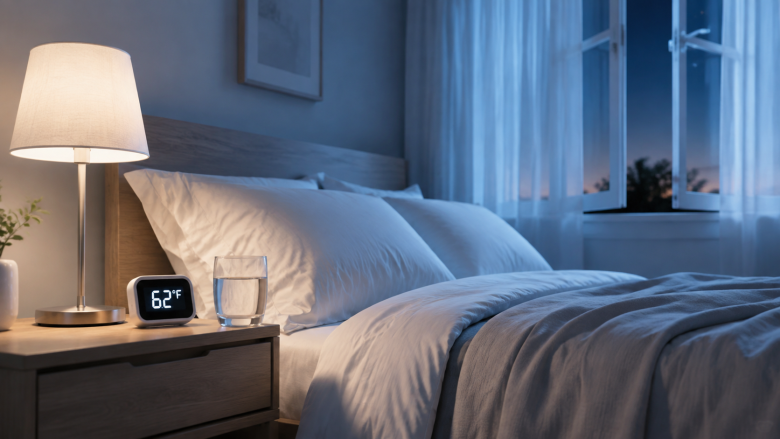
Why 62°F Is the Ideal Bedroom Temperature for Sleep (And How to Hit It Without Your Thermostat)

Your Bedroom Temperature Might Be Sabotaging Your Sleep More Than You Think If you’ve ever woken up at 3 a.m. drenched in sweat or shivering under a thin sheet, you already know that temperature and sleep are deeply connected. But here’s the thing most people don’t realize: the ideal bedroom temperature for sleep isn’t about …

The 3-3-3 Nighttime Routine: A Resilient Plan for Better Sleep (That Works When Life Disrupts It)

The Best Nighttime Routine Isn’t a Perfect Script – It’s a Flexible One I spent years chasing the “ideal” bedtime routine. I blackout-curtained my room, bought a sunrise alarm clock, and tried every sleep tea on the market. But my sleep didn’t improve until I stopped trying to follow a rigid checklist and instead built …

Gentle Bedtime Yoga Stretches: Sleep-Signal Sequencing for Deep Rest

What You Need to Know About Gentle Bedtime Yoga Stretches The most effective bedtime yoga is not a random collection of stretches. It is a deliberate sequence that walks your nervous system down from “alert” to “rest” in a specific order: spinal decompression first, then hip opening, then vagal nerve stimulation. Each phase is paired …

How to Set Up for a Good Night Sleep: The Sleep Environment Engineer’s Guide to Fixing 3 AM Wake-Ups

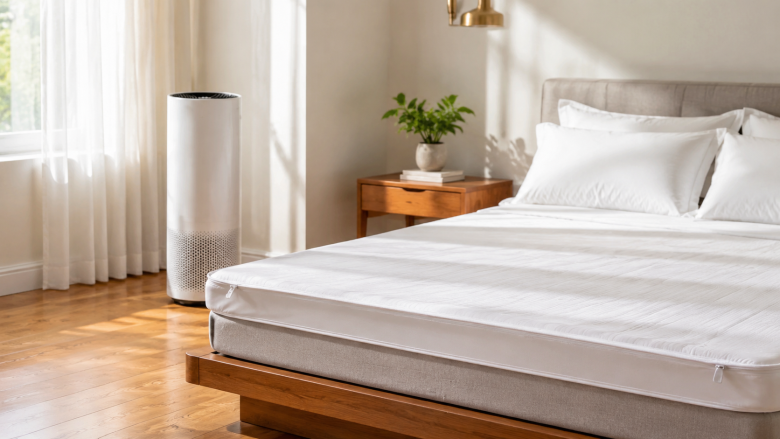
Why Generic Sleep Advice Fails You If you’ve read the standard sleep tips – keep a schedule, cut caffeine, exercise, avoid screens – and still find yourself staring at the ceiling at 3 AM, you’re not alone. I’ve been there. For years I followed every checklist, and yet my sleep quality didn’t improve until I …

Relaxing Evening Activities: Low-Effort Rituals for a Calmer Night

Why Most Relaxing Evening Activities Fail (And What Actually Works) If you’ve ever searched for “relaxing evening activities,” you’ve probably seen the same list: journal your thoughts, meditate for ten minutes, do gentle yoga, take a warm bath, read a chapter of a book. These are all fine suggestions. But they carry an unspoken assumption: …